
Wedding day timing mistakes that create stress (even when everything looks organised)
Most couples spend months planning their wedding with the hope that everything will flow smoothly on the day. The venue is booked. Vendors are confirmed. Styling decisions are made. The timeline looks organised on paper. Yet despite all the preparation, many weddings still experience unnecessary stress, rushed moments, and delays.
As a Sydney wedding and event planner, I've found that these issues are rarely caused by one major problem. More often, they come from small timing assumptions that seemed reasonable during planning but don't reflect what happens on a real wedding day.
For busy couples who are already balancing work, family commitments, and everyday life, understanding these common timing mistakes can help create a much calmer and more enjoyable celebration.
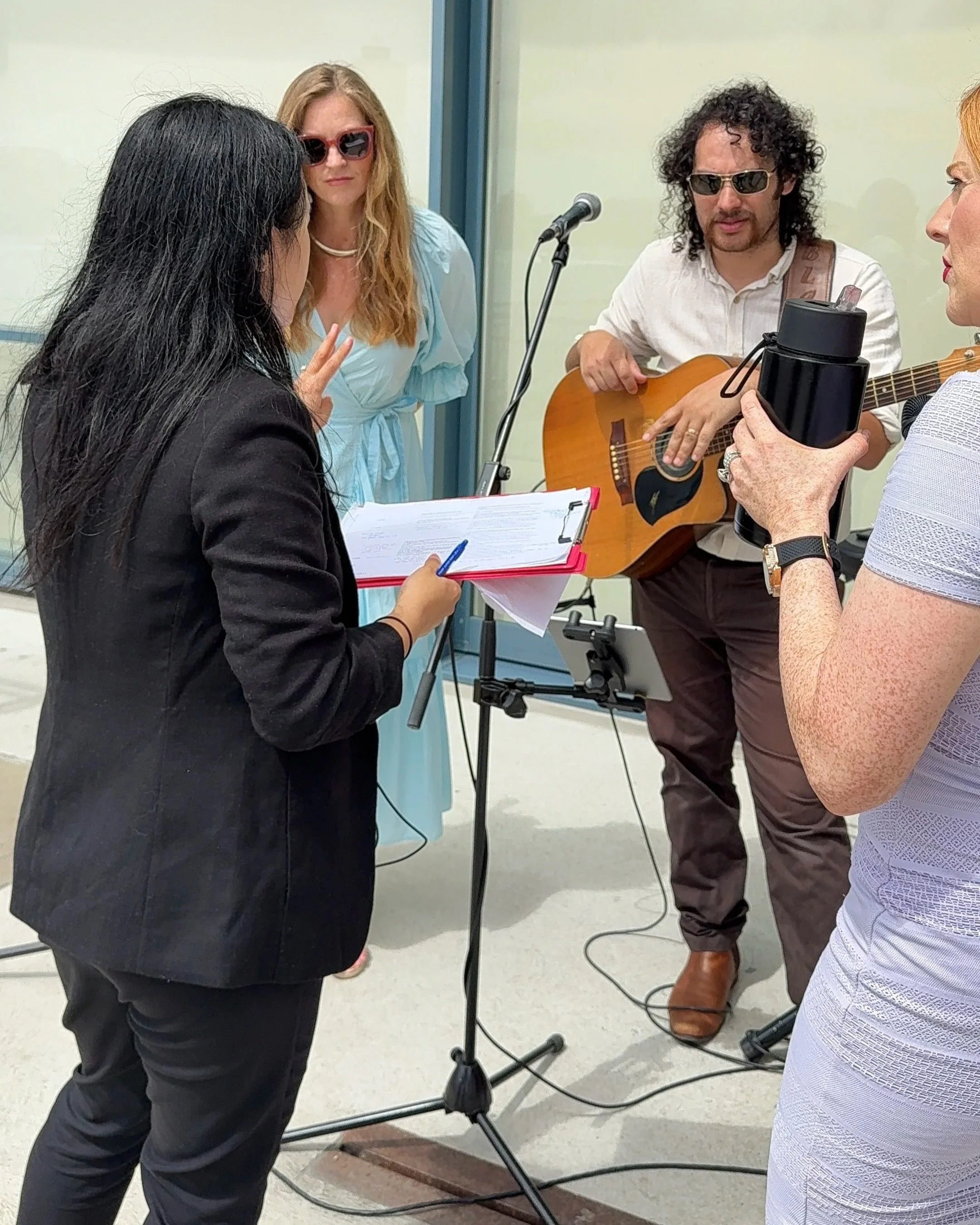
Underestimating how long things actually take
One of the most common timeline issues is simply not allowing enough time. These include:
Hair and makeup running longer than expected.
Family members may not be ready when needed.
Travelling between locations can take longer due to traffic or parking.
On their own, these delays may seem minor. However, together, they can quickly place pressure on the rest of the day. Building realistic buffers into a timeline creates breathing room and allows everyone to enjoy the experience rather than constantly rushing to the next event.
Forgetting about guest movement
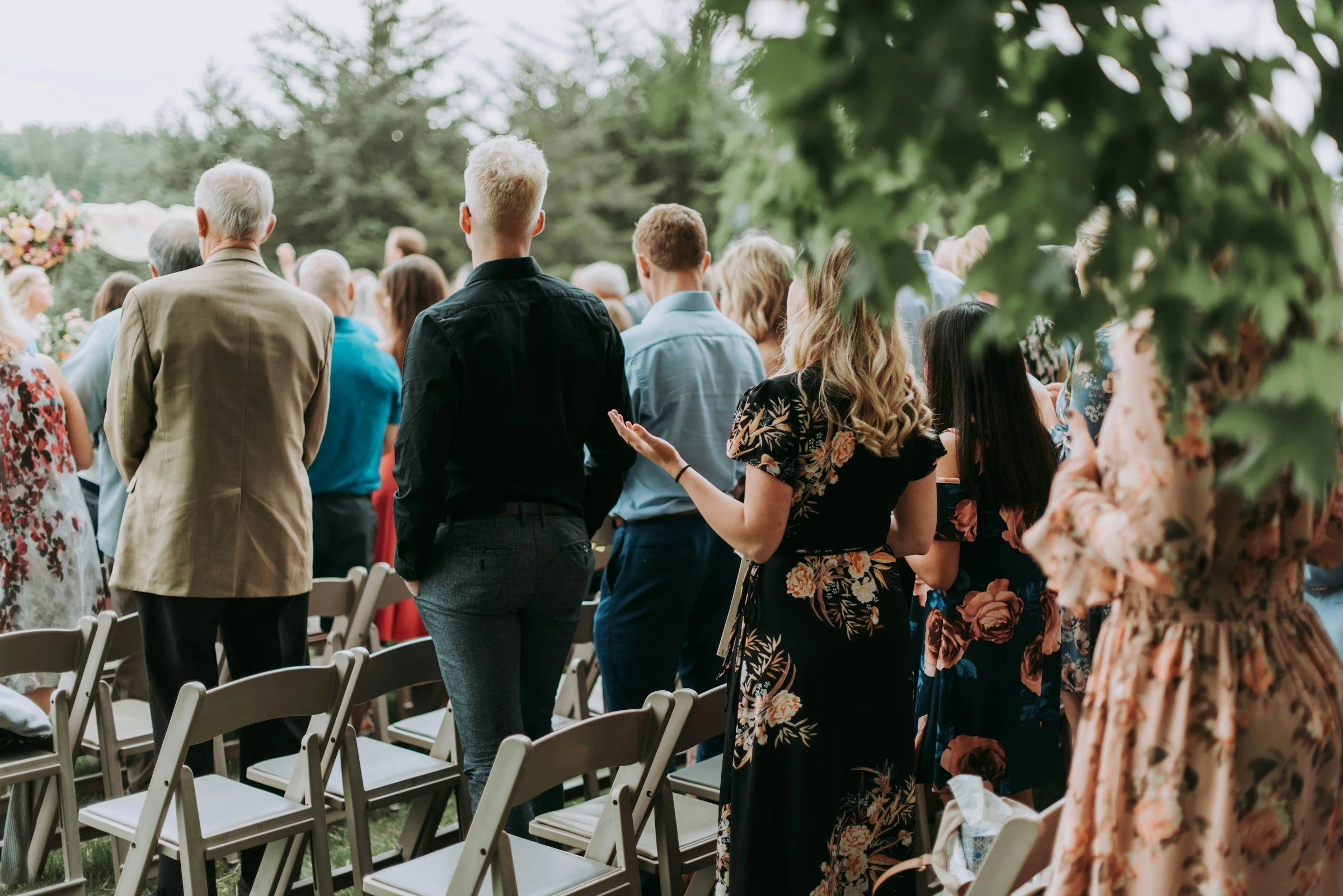
Many timelines focus heavily on the couple but overlook how guests move throughout the day. Guests need time to arrive, park, find their seats, move between locations, and settle into each part of the celebration. This becomes even more important for larger weddings, multi-location celebrations, cultural ceremonies, or weddings with elderly family members and young children. A timeline that works for vendors may not always work for guests.
Samantha Gades
Family photos often take longer than expected
Family photos are incredibly important, but they can become one of the biggest timeline bottlenecks. Missing family members, large group combinations, and last-minute changes can add significant time if not planned carefully.
Creating a clear family photo list in advance helps photographers, family members, and the couple know exactly where they need to be and when. A little preparation beforehand can save valuable time on the day.

Not having a clear plan for unexpected changes
No wedding day unfolds exactly as planned:
Weather changes.
Traffic delays occur.
Vendors run behind schedule.
Family members arrive late.
The goal is not to eliminate every possible issue; instead, the goal is to have a plan for responding calmly when something unexpected happens.
This is why professional wedding timelines include contingency plans rather than relying on a single ideal scenario.
When the couple becomes the coordinator
One of the biggest causes of wedding day stress occurs when the couple becomes responsible for managing logistics. These include:
Answering vendor questions
Directing guests
Coordinating family members
Solving problems may seem manageable beforehand, but it quickly takes attention away from enjoying the celebration.
This is often why many of my clients choose to work with a planner. During a First Steps Call, we discuss not only the vision for the wedding, but also how the day will actually operate behind the scenes. My role is to manage the moving parts, coordinate vendors, oversee timelines, and ensure family members and guests can remain fully present, rather than taking on responsibilities that should not belong to them.
A great timeline creates freedom
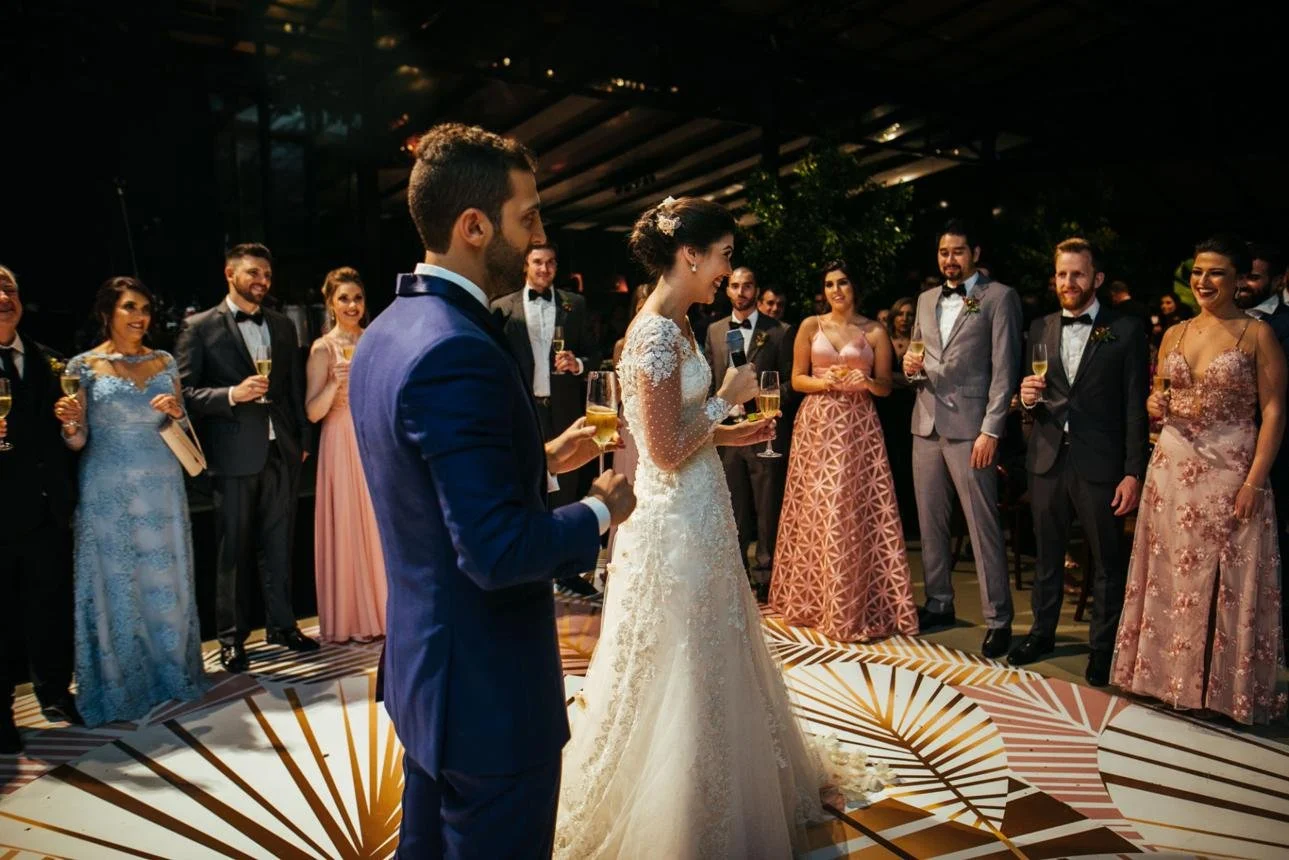
The best wedding timelines do not feel rigid. They create confidence.
When enough time has been allowed for each part of the day, when vendors know where they need to be, and when guests can move comfortably between events, everyone feels more relaxed.
Most importantly, the couple can focus on what matters most: celebrating with the people they love.
A successful wedding day is not measured by whether every minute goes perfectly to plan. It is measured by whether you were able to be present, enjoy the experience, and create meaningful memories with your family and friends.
Thoughtful planning, realistic timing, and strong coordination make that possible.
Your wedding day should not feel like a project you're managing.
If you'd like support creating a realistic timeline and ensuring every detail runs smoothly behind the scenes, I'd love to help.